

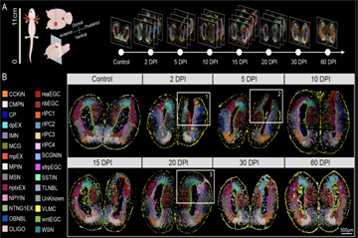
Using axolotls as a classic model for central nervous system injury and regeneration, combined with various brain injury models, we employ multi-omics techniques (including spatiotemporal single-cell omics) and related tools to deeply explore the molecular signaling pathways, key cell populations, and their dynamic interactions involved in CNS regeneration following injury.
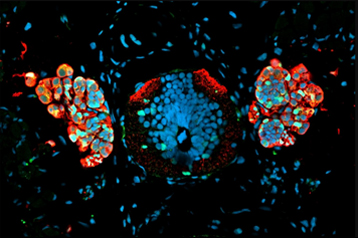
In axolotls, we study the activation and fate reprogramming of neural stem cells during injury repair. Through spatiotemporal single-cell omics and gene editing technologies, we investigate the molecular mechanisms underlying the transformation of neural stem cells into functional neurons, glial cells, and other cell types, providing a theoretical foundation for stem cell-based therapies.
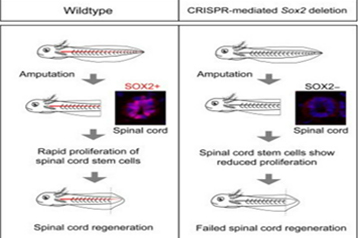
Using the axolotl spinal cord injury model, we screen and identify small molecules that promote spinal cord regeneration. By combining multi-omics technologies with functional screening approaches, we aim to discover potential small molecule drug candidates, advancing the field of regenerative medicine for spinal cord injuries.
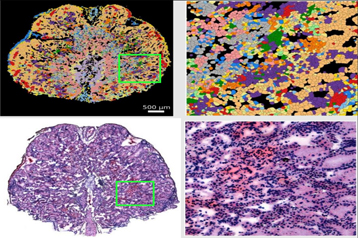
Leveraging the regenerative capabilities of axolotls, we expand our research to investigate regeneration mechanisms in other organs, including the pancreas, kidneys, heart, and skin. Through collaborative studies, we explore how these organs can regenerate following injury, providing insights into potential therapeutic strategies for human tissue repair and regeneration.
Copyright 2025 – All Rights Reserved By Fei Lab 粤ICP备2025386627号